




Enclosed Mobility Scooters Banned From Sidewalks and Streets, Police Say

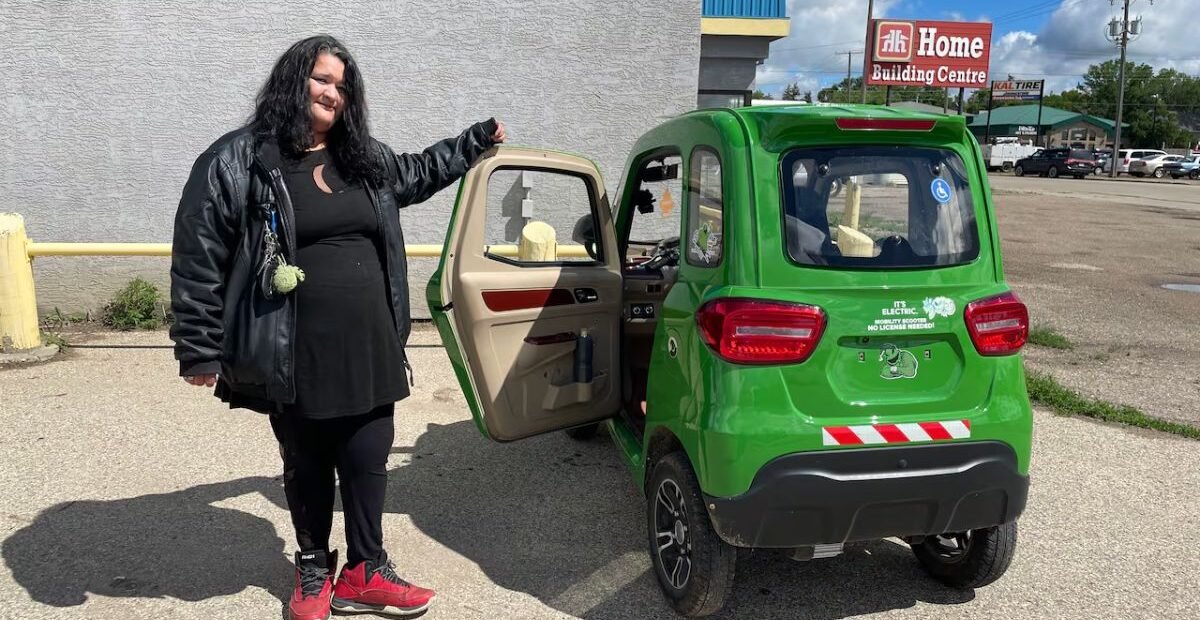
The Sault Ste. Marie Police Service and the City of Sault Ste. Marie are reminding residents to be careful when using enclosed, low-speed electric vehicles that are sometimes sold or advertised as mobility scooters.
Officials say these vehicles may look similar to mobility devices, but under local and provincial rules, they are treated very differently.
What Are Enclosed Low-Speed Electric Vehicles?
Enclosed microcar-style electric vehicles are becoming more common in the community.
Although some sellers market them as mobility scooters, they are not the same as traditional medical mobility devices.
These vehicles are usually larger, enclosed, and operated with a throttle.
They may also include vehicle-like features such as lights, mirrors, seatbelts, windshields, speedometers, and maximum speeds of 30 km/h or more.
Because of these features, they are more similar to a low-speed vehicle, or LSV, under the Ministry of Transportation’s definition.
Not Approved for Municipal Roads
At this time, the City of Sault Ste. Marie has not passed a by-law that allows low-speed vehicles to be used on municipal roads.
That means these enclosed electric vehicles cannot legally be driven on city roadways.
Not Allowed on Sidewalks or Hub Trail
Under Traffic By-law 77-200, sidewalks in Sault Ste. Marie are intended for pedestrian use.
Ontario’s Highway Traffic Act treats wheelchairs and medical scooters as pedestrians when those devices are designed for people with limited mobility caused by a medical condition or injury.
However, enclosed low-speed electric vehicles do not fit into those categories.
As a result, they are not permitted on city sidewalks or on the Hub Trail.
Not Considered Essential Medical Devices
Officials also note that these enclosed electric vehicles are not approved medical devices under Ontario’s Assistive Devices Program.
They also cannot be used indoors like basic mobility aids.
For these reasons, the city says they cannot be considered essential mobility devices and are not allowed on sidewalks in Sault Ste. Marie.
Where Can These Vehicles Be Used?
Even if they are advertised as mobility scooters, these vehicles cannot be operated on:
- Municipal roads
- Bicycle lanes
- Sidewalks
- The Hub Trail
The only place they may be used is on private property, and only with the permission of the property owner.
Possible Legal Consequences
Residents who operate enclosed electric vehicles on public roads, bike lanes, or sidewalks may face provincial charges.
Under the Compulsory Automobile Insurance Act, a person may be charged with operating a motor vehicle without insurance.
Under the Highway Traffic Act, possible charges may include driving without a valid permit, driving without the proper licence, operating a vehicle without plates, or driving while suspended.
Police may also seize vehicles that are being operated in violation of applicable laws.
Safety Concerns for Pedestrians, Drivers and Cyclists
The city and police also warn that these vehicles can create serious safety risks.
Their size, weight and speed may put pedestrians in danger when used on sidewalks.
On roads or in bike lanes, they may create risks for the vehicle operator, motorists and cyclists.
Consumer Reminder Before Buying
Residents are reminded that a vehicle being sold as a “mobility scooter” does not automatically make it a legal mobility device.
The same warning applies to other recreational electric devices, including electric kick scooters, hoverboards and electric bicycles without pedals.
Even if these products are available for purchase, that does not mean they are legal on municipal roads, sidewalks or bike lanes.
Consumers are responsible for checking local by-laws and provincial legislation before buying or using these devices.
Sault Ste. Marie officials are urging residents to understand the rules before purchasing or operating enclosed low-speed electric vehicles. Although these vehicles may be marketed as mobility scooters, they are not treated as traditional medical mobility devices under city and provincial rules.
At present, they are not allowed on roads, bike lanes, sidewalks or the Hub Trail and may only be used on private property with permission.