


Canada’s Boycott of U.S. Wines Is ‘Causing Devastating Harm,’ California Senator Says

A U.S. Democratic senator is urging Canada to rethink restrictions on American alcohol, especially California wine, as the trade dispute continues to affect producers on both sides of the border.
California Senator Adam Schiff said on X that Canada’s boycott of California wine is causing severe damage to winegrowers. He also wrote to Quebec Premier Christine Fréchette asking the province to reconsider its restrictions on American wine.
Schiff Urges Quebec to Restore American Wine Access
In his letter, Schiff said Quebec consumers have traditionally had access to a wide selection of American wines.
He argued that removing those wines from shelves limits customer choice and cuts American producers off from a market worth $434 million.
Schiff also said regional businesses, consumers and wine producers are being hurt even though they do not control national trade policy.
According to him, reopening the market would restore consumer choice and show a willingness to rebuild fair and balanced trade between Quebec consumers and American wineries.
Quebec Says Boycott Will Continue
Premier Fréchette’s office told CTV News that Quebec is not backing away from its boycott measures.
Her office said the province is continuing to defend Quebec’s economic interests during the ongoing trade war.
The statement said the restrictions will remain in place as long as the United States keeps what Quebec calls unjustified tariffs.
Quebec said it will review its position only if the American administration reverses those measures.
U.S. Political Pressure Grows
The alcohol boycott has become a growing political issue in the United States.
New York Congresswoman Claudia Tenney introduced the Combating Attacks on our National Alcoholic Drinks by Allies Act, also called the CANADA Act.
The legislation would direct the U.S. Trade Representative to launch a Section 301 investigation into Canadian provincial restrictions on American alcoholic beverages through provincial liquor boards.
The bill argues that provincial limits on U.S. alcohol are harming American wineries, breweries and distilleries and restricting access to a major export market.
Ontario Says It Will Not Back Down
Ontario Premier Doug Ford has maintained that his province will not back down from its position.
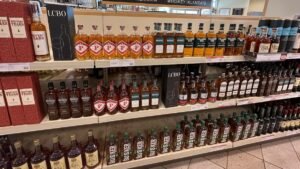
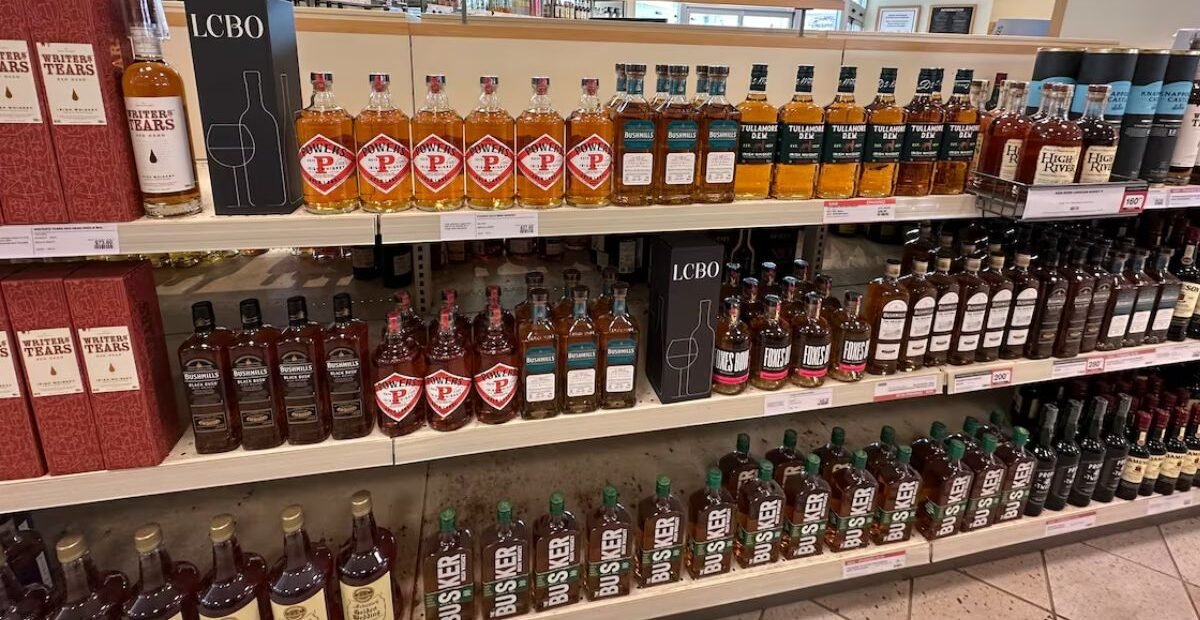
While some provinces, including Saskatchewan and Alberta, have returned American alcohol to store shelves, Ontario and Quebec have not resumed full stocking of U.S. products.
Canadian Wine Producers See Major Gains
In Ontario’s Niagara wine region, some local producers are benefiting from the shift toward Canadian alcohol.
At Westcott Vineyards, owner Carolyn Hurst said the March 2025 alcohol ban directly boosted sales.
She said Westcott’s LCBO sales have increased by 600%, while on-site sales are up 20%.
The winery is now expanding by one-third, planting another 30 acres of vines and working through permits for a new expansion building.
Consumers Supporting Local Products
Hurst said money spent on Ontario wine goes back into the province’s economy.
She also said customers are actively supporting Canadian products with their purchases.
According to Hurst, many new customers have said they are not eager to return to American wine, even if the trade dispute eventually cools down.
She believes the Canada-U.S. relationship has changed and may not return to business as usual.
LCBO Reports Strong Canadian Alcohol Sales
Ontario’s LCBO told CTV News that sales of Ontario VQA wines rose 44% over the past year.
Overall Canadian alcohol sales were up 18%.
The numbers suggest that Canadian consumers have shifted strongly toward domestic alcohol brands during the boycott.
U.S. Wine Exports to Canada Drop Sharply
South of the border, American wine producers are facing a much different outcome.
The Wine Institute reported a 78% decline in U.S. wine exports to Canada between 2024 and 2025.
Canada had been the top export market for American wine in 2024, accounting for 36% of all U.S. wine exports worldwide.
In 2025, Canada’s share dropped to 12%, representing more than US$357 million in lost export value.
Wine Industry Wants Market Access Restored
Wine Institute President and CEO Steve Gross said the industry is eager to rebuild its relationship with Canada.
He said restoring access would give Canadian consumers more choice while supporting retailers, restaurants, workers, wineries and farming families in both countries.
U.S. Spirits Sales Also Hit
The impact has extended beyond wine.
An analysis by Spirits Canada found that sales of U.S. spirits in Canada reportedly dropped 66.3% between March 5, 2025, when provinces announced they would stop carrying American products, and the end of April 2025.
At the same time, Canadian distillers have seen a surge in demand.
Maverick Distillery in Oakville, Ontario, told CTV News that its vodka sales at the LCBO rose 100%, while whiskey sales climbed 300%.
CEO Craig Peters said the push to buy Canadian products is real and has created major growth.
Trade Expert Says Provinces May Be Overstepping
Trade expert Meredith Lilly, a former adviser to Prime Minister Stephen Harper, said she believes provincial governments are overstepping their authority with the alcohol bans.
Lilly, a Carleton University professor and Simon Reisman Chair in International Economic Policy, said international trade negotiations are a federal responsibility.
She said premiers should work with Ottawa and follow the federal government’s direction on the best approach.
Alcohol Ban Becomes a Personal Trade Irritant
Lilly said the issue has become personal for some U.S. officials, including U.S. Trade Representative Jamieson Greer.
She suggested that putting American alcohol back on shelves could be a relatively simple step to improve the tone of trade discussions.
Canada’s boycott of American alcohol has become a major trade issue, drawing pressure from U.S. lawmakers while boosting sales for Canadian wine and spirits producers.
Senator Adam Schiff wants Quebec to reopen access to California wine, while Congresswoman Claudia Tenney is pushing legislation aimed at investigating provincial alcohol restrictions. However, Quebec and Ontario are holding firm, saying the measures will remain as long as U.S. tariffs continue.