




B.C. Plans 132 Additional Involuntary Care Beds for Severe Mental Health Conditions

The British Columbia government is adding 132 new involuntary care beds for people with complex mental health challenges, addictions and brain injuries.
Officials say the expansion is part of a broader effort to improve treatment options, support vulnerable people and create safer communities across the province.
New Treatment Beds Announced
The province says a new 72-bed treatment centre will be created in Prince George.
This facility will replace the former youth corrections centre.
In Surrey, another site will be renovated to add 60 mental health treatment beds.
Together, the two projects will add 132 beds to B.C.’s existing involuntary care system.
Premier David Eby Announces Plan
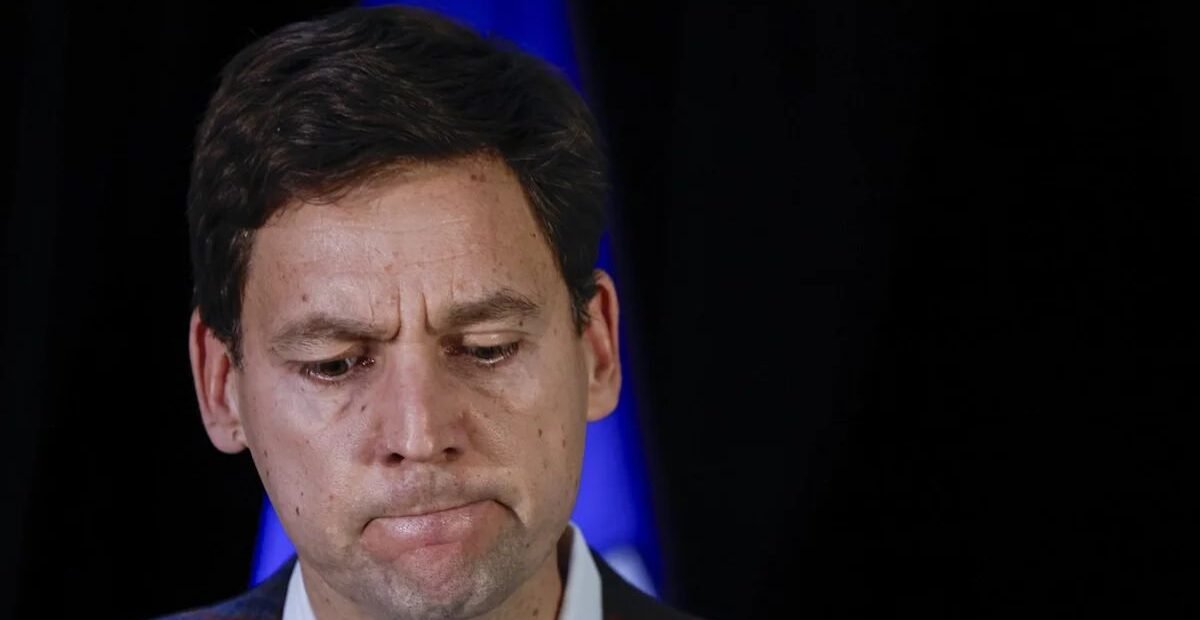
Premier David Eby announced the expansion in Prince George.
He said people should not be left on the streets when they are at their most vulnerable.
Eby said providing proper care for people with severe mental health and addiction needs will also help build safer communities.
More Than 2,000 Beds Already Available
The new beds will add to the more than 2,000 existing mental health beds in British Columbia for people admitted involuntarily.
That includes beds already operating at Surrey’s pretrial centre.
The government also says work is underway to assess future bed needs in other parts of the province.
Focus on Northern B.C.
Dr. Daniel Vigo, B.C.’s chief scientific adviser, said the announcement is meant to help transform northern B.C.
He said the goal is to move the region from being one of the most underserved areas to a more complete and connected model of mental health and substance-use care.
According to Vigo, the announcement came together quickly and reflects a major shift in how B.C. is responding to the opioid crisis.
Shift Toward Treatment and Recovery
Vigo said that over the past two years, the province has placed renewed focus on evidence-based treatment and recovery.
He also said the government has restored doctors’ ability to use the Mental Health Act to treat children and adults with substance-use disorders when they are mentally impaired.
Vigo, who also teaches at the University of British Columbia, said the province has moved away from approaches that did not work and is now seeing results.
Toxic Drug Deaths Decline
Vigo said the public health emergency caused by synthetic drugs is finally beginning to shift.
On Thursday, B.C. announced its lowest monthly number of suspected toxic drug deaths since before the start of the COVID-19 pandemic in Canada.
Preliminary data from the Ministry of Public Safety showed 109 people died in B.C. in May from suspected unregulated drug toxicity.
That was the lowest monthly total since February 2020, when 79 deaths were reported.
It also marked a drop of about 55% compared with the 242 deaths recorded in December 2023.
British Columbia’s decision to add 132 involuntary care beds marks a significant expansion of mental health and addiction treatment capacity.
With new beds planned for Prince George and Surrey, the province says it is working to support people with complex needs while improving public safety.
Officials also point to declining suspected toxic drug deaths as evidence that B.C.’s renewed focus on treatment, recovery and evidence-based care is beginning to show results.