



Reform UK Unveils £50 Billion Welfare Reform Plan to Replace PIP

Reform UK has outlined plans for a major restructuring of the welfare system that could result in disability and sickness benefits being changed or withdrawn for almost three million people.
The proposals include abolishing Personal Independence Payment (PIP) and the health element of Universal Credit for working-age adults. Reform UK claims the changes could reduce the welfare bill by around £50 billion.
Reform UK Plans to Replace PIP
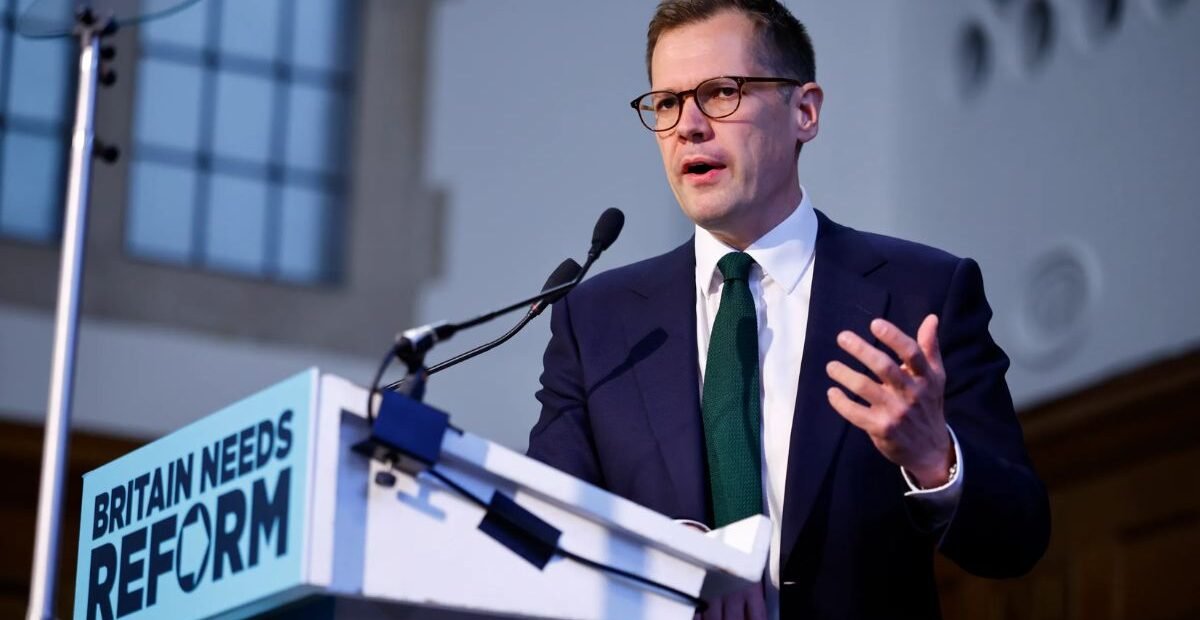
Reform UK’s Treasury spokesperson Robert Jenrick said the party wants to replace existing disability support with a new Health Security Allowance.
The proposed allowance would be reviewed regularly and would primarily provide financial support to people considered “gravely ill and severely challenged”.
Jenrick argued that the current disability benefits system has expanded significantly. He said around 6.9 million people are receiving disability benefits and highlighted the growth in claims linked to mental health and behavioural conditions since 2002.
Nearly 2.9 Million Claimants Could See Payments Changed
Existing benefit recipients would not immediately lose their payments under the proposals. Instead, Reform UK intends to reassess current claimants over a period of three to four years.
According to Jenrick’s estimates:
- Around 2.16 million people would retain their current cash entitlement in full.
- Approximately 2.89 million claimants could have their payments modified or withdrawn.
The largest changes would reportedly be concentrated in areas where disability-related claims have increased most rapidly.
Disability Support Accounts Could Replace Some Cash Payments
For people with lower-level conditions, Reform UK proposes ending direct cash benefits and introducing disability support accounts instead.
These accounts would be administered by local councils and mayors and could be used for specific disability-related costs, including equipment, home adaptations, transport and personal assistance.
The proposal is designed to direct support toward defined expenses rather than providing unrestricted cash payments.
Employers Could Pay for New Return-to-Work Insurance
Reform UK is also proposing changes to the way long-term sickness absence is funded.
Employers could be required to purchase “return to work cover” insurance, which would meet the cost of an employee’s first two years away from work because of sickness.
Jenrick said this would give businesses a stronger financial incentive to help employees return to employment.
If an individual remained out of work after two years, they would undergo a single, rigorous, face-to-face assessment. Reform says this process would also help identify fraudulent or unjustified claims.
Reform UK Claims £50bn in Welfare Savings
Jenrick said the overall package could save approximately £50 billion, which he described as more than double the £23 billion in welfare savings proposed by Kemi Badenoch’s Conservatives.
Around £22 billion of Reform UK’s projected savings would come specifically from disability benefit changes.
Jenrick acknowledged that the changes would be difficult for some existing claimants but argued that the welfare system should focus on supporting those with the most serious needs while helping more people return to employment.
Disability Charities Warn About Impact of PIP Cuts
Disability organisations have criticised the proposals and warned that significant reductions in PIP could leave vulnerable people struggling financially.
Abdi Mohamed, head of policy at disability equality charity Scope, said PIP helps disabled people meet the additional costs associated with disability regardless of whether they are employed.
He argued that reducing financial support would not address the barriers that prevent some disabled people from finding work. Scope instead called for improvements to workplace accessibility, employment support and reasonable adjustments from employers.
Jackie O’Sullivan of learning disability charity Mencap also warned that major PIP cuts could push hundreds of thousands of disabled people into poverty and isolation.
She said reductions on the scale being discussed could undermine attempts to support disabled people into employment.
Conservatives Criticise Reform UK’s Welfare Position
Shadow work and pensions secretary Helen Whately criticised Reform UK’s proposals and accused the party of lacking consistency on welfare policy.
She said the Conservatives’ approach includes restoring the two-child benefit cap, restricting benefits for lower-level mental health conditions, removing certain benefits from foreign nationals and bringing back face-to-face assessments.
Whately also suggested Reform UK’s announcement was intended to divert attention from political controversies surrounding party leader Nigel Farage.
Labour Calls £50bn Savings Estimate “Fantasy Economics”
Labour strongly rejected Reform UK’s projected savings.
A Labour spokesperson described the £50 billion figure as “fantasy economics”, arguing that reducing disability payments while requiring employers to cover more sickness-related costs would simply transfer financial pressures elsewhere.
Labour said its own welfare reforms are based on independently costed savings rather than what it described as arbitrary targets.
Reform UK’s proposed welfare overhaul would represent a substantial change to Britain’s disability and sickness benefit system. PIP and the health element of Universal Credit for working-age adults could be replaced, while millions of existing claimants would face reassessment.
Reform argues that the changes could save £50 billion and encourage more people back into employment. However, disability charities, Labour and other critics warn that large reductions in financial support could increase poverty among disabled people and place additional pressure on employers.