



B.C. Police Watchdog Says Jail Guard Appeared to Be Asleep as Indigenous Man Died in Cell

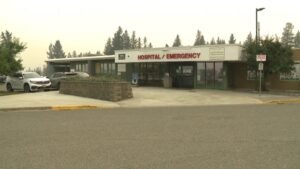
British Columbia’s police oversight agency has concluded that multiple failures in prisoner care contributed to the death of an Indigenous man while he was being held at the Smithers RCMP detachment nearly four years ago.
The Independent Investigations Office of B.C. (IIO) said the death was preventable, but investigators did not find reasonable grounds to believe that any police officer committed a criminal offence.
Man Died in RCMP Cell After 2022 Arrest
The man was arrested and charged with aggravated assault following a home invasion on September 1, 2022.
According to the IIO report, he later died by suicide while being held in a cell at the Smithers RCMP detachment.
The investigation found serious problems with how prisoners were monitored at the facility. The guard responsible for watching surveillance cameras appeared at times to be falling asleep or looking away from the monitoring screens.
Required Physical Cell Checks Were Not Completed
RCMP policy required regular physical checks of prisoners. However, the IIO found that these checks were not consistently being performed at the Smithers detachment.
The last recorded physical check of the man by police took place at 7:57 a.m. on September 4. He was not physically checked again by an officer until he was discovered unresponsive approximately 13 hours later.
At around 5:51 p.m., the man was given food through the slot in his cell door. After that, monitoring continued through video surveillance from the guard station.
The report said video footage showed the man unresponsive about 90 minutes later.
Guards Acknowledged Longstanding Problems With Cell Checks
One jail guard interviewed during the investigation acknowledged that staff routinely failed to complete required physical checks of regular cells.
That guard also recalled warning a colleague that the detainee’s behaviour had changed and that he required closer observation.
A second guard told investigators that he knew about the physical-check policy but said such checks had not been routinely performed at the Smithers detachment for approximately 26 years, despite multiple reviews of the cell area.
Staffing Shortages and Management Issues Identified
The IIO report also noted that the Smithers RCMP detachment was experiencing staffing shortages at the time.
A corporal was simultaneously working as acting sergeant and acting detachment commander.
The acting commander told investigators that prisoner cells in Smithers were managed differently than those at some other detachments. Guards had less direct interaction with prisoners, and physical checks occurred less frequently.
The regular detachment commander was away while the man was in custody. He later told investigators that he was responsible for ensuring guards received proper training, physical checks were completed and the cell area was appropriately maintained.
He acknowledged that mandatory six-month refresher training had not been conducted. He also confirmed there was no effective system for ensuring required physical checks were actually taking place.
Smithers RCMP Made Changes After the Death
Following the man’s death, the detachment introduced several changes aimed at improving prisoner safety.
Guard training was updated, cell logbooks began being monitored to confirm physical checks were completed, record-keeping procedures were strengthened and additional guards were hired.
IIO Says Death Could Have Been Prevented
IIO Chief Civilian Director Jessica Berglund concluded that there were multiple failures in the operation of the Smithers RCMP cell block when the man died.
She said the second jail guard failed to provide the expected standard of care. However, the investigation also found that these practices had apparently been tolerated for an extended period by officers at the detachment.
The report further indicated that senior RCMP management had not taken adequate steps to correct longstanding failures involving policies designed to protect prisoners.
Despite these findings, Berglund determined that the conduct did not reach the legal threshold required for criminal negligence causing death. Under Canadian criminal law, ordinary negligence does not automatically constitute a criminal offence.
As a result, investigators found insufficient grounds to believe the officers involved committed a criminal offence.
Custody Deaths Raise Concerns About Detainee Safety
Between 2019 and 2023, 15 people died after being held in police custody or after being transported from cells to hospital. Seven of those individuals were Indigenous.
The IIO said those figures demonstrate the importance of maintaining appropriate standards of care for people in police custody, something investigators concluded was lacking in the Smithers case.
The IIO investigation found significant and longstanding failures in prisoner monitoring, staff training and physical cell checks at the Smithers RCMP detachment.
Although the watchdog determined that the man’s death could have been prevented, the evidence did not meet the legal standard required to pursue criminal negligence charges against officers.