




House Passes Bill to Make Daylight Saving Time Permanent

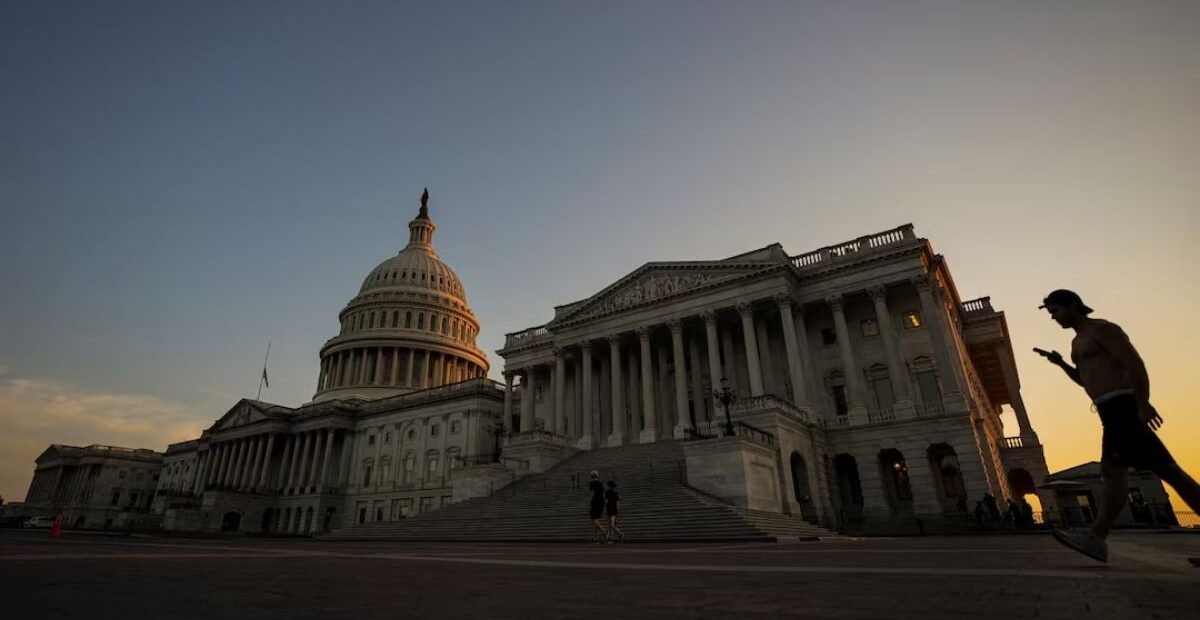
The U.S. House of Representatives voted Tuesday to approve a bill that would make Daylight Saving Time permanent nationwide, moving Congress one step closer to ending the twice-a-year clock change.
The measure, known as the Sunshine Protection Act, passed by a vote of 308 to 117 and now heads to the Senate, where its future remains uncertain.
Bill Would End Seasonal Clock Changes
If approved by the Senate and signed by President Donald Trump, the bill would keep the country on Daylight Saving Time throughout the year.
That means Americans would no longer move clocks forward in spring and back in fall. Supporters say this would reduce confusion, save time and prevent disruptions to sleep schedules, especially for families with young children.
Senate Approval Still Unclear
Although the House vote showed broad bipartisan support, the measure still needs Senate approval before it can become law.
Similar efforts have stalled in the past. In 2022, the Senate passed a permanent daylight saving time bill, but it never received a final vote in the House. This time, the bill faces a new test in the upper chamber.
Trump Supports Ending the Clock Change
President Trump has repeatedly criticized the twice-yearly clock change.
He praised the Sunshine Protection Act after it moved forward in committee, arguing that people, cities and states spend too much money and effort adjusting clocks every year. The White House supports the current House-passed proposal.
Many States Are Ready for the Change
A number of states have already prepared for permanent Daylight Saving Time if Congress gives approval.
Reports show that 19 states have passed laws or resolutions supporting year-round Daylight Saving Time, but federal law currently prevents states from adopting it permanently on their own.
States Could Still Opt Out
The bill would allow some states to remain on permanent standard time if they choose to opt out.
That could affect places such as Hawaii, most of Arizona, and several U.S. territories, which already do not observe Daylight Saving Time.
Supporters Say More Evening Light Has Benefits
Backers of the proposal argue that permanent Daylight Saving Time would give Americans more usable daylight in the evening.
They say the change could encourage outdoor recreation, support restaurants and tourism, reduce evening crime, and help people avoid the disruption caused by losing an hour of sleep each spring.
Health and Sleep Arguments Divide Lawmakers
Supporters say ending clock changes could reduce sleep disruption and improve daily routines.
However, some sleep experts argue that permanent standard time, not permanent Daylight Saving Time, is better for health because it more closely matches the body’s natural circadian rhythm. The American Academy of Sleep Medicine supports eliminating seasonal clock changes in favor of permanent standard time.
Concerns Over Dark Winter Mornings
Opponents warn that year-round Daylight Saving Time would mean later sunrises during winter.
Lawmakers from agricultural areas say farmers could face longer dark mornings, while others worry children and workers may have to commute before sunrise. Critics say those safety and health concerns should be considered before making a permanent nationwide change.
Farmers, Parents and Businesses Weigh In
The debate has drawn strong reactions from several groups, including farmers, parents, educators, tourism businesses, the golf industry and transportation interests.
Support and opposition do not fall neatly along party lines. Some lawmakers support ending clock changes but believe permanent standard time would be a better option than permanent Daylight Saving Time.
Public Dislikes Clock Changes but Disagrees on the Fix
Many Americans dislike changing their clocks twice a year, but there is less agreement on what should replace the current system.
Some prefer permanent Daylight Saving Time for brighter evenings, while others favor permanent standard time for brighter mornings and better sleep alignment. That divide has made the issue difficult for Congress to resolve.
Past Experiment Was Reversed
Congress has tried permanent Daylight Saving Time before.
The U.S. adopted year-round Daylight Saving Time during the 1970s energy crisis, but lawmakers reversed the change after public backlash over dark winter mornings. Opponents of the current bill often point to that episode as a warning.
Airlines Warn About Implementation Challenges
Major airlines have also raised concerns about how quickly a permanent time change could be implemented.
They warn that shifting time rules without proper planning could complicate international flight schedules and global operations.
The House vote marks a major step toward ending America’s twice-yearly clock changes, but the Sunshine Protection Act still faces an uncertain path in the Senate. Supporters say permanent Daylight Saving Time would reduce disruption, increase evening daylight and support economic activity.
Critics argue it could create darker winter mornings, safety risks and health concerns. As the bill moves forward, lawmakers must decide whether the country should “ditch the switch” — and whether permanent Daylight Saving Time is the right way to do it.