



Pit Discovered by Quebecer Confirmed as 390-Million-Year-Old Meteorite Impact Crater

A chance discovery by Quebec amateur astronomer Joël Lapointe has led researchers to confirm the existence of a 390-million-year-old meteorite impact crater in northern Quebec.
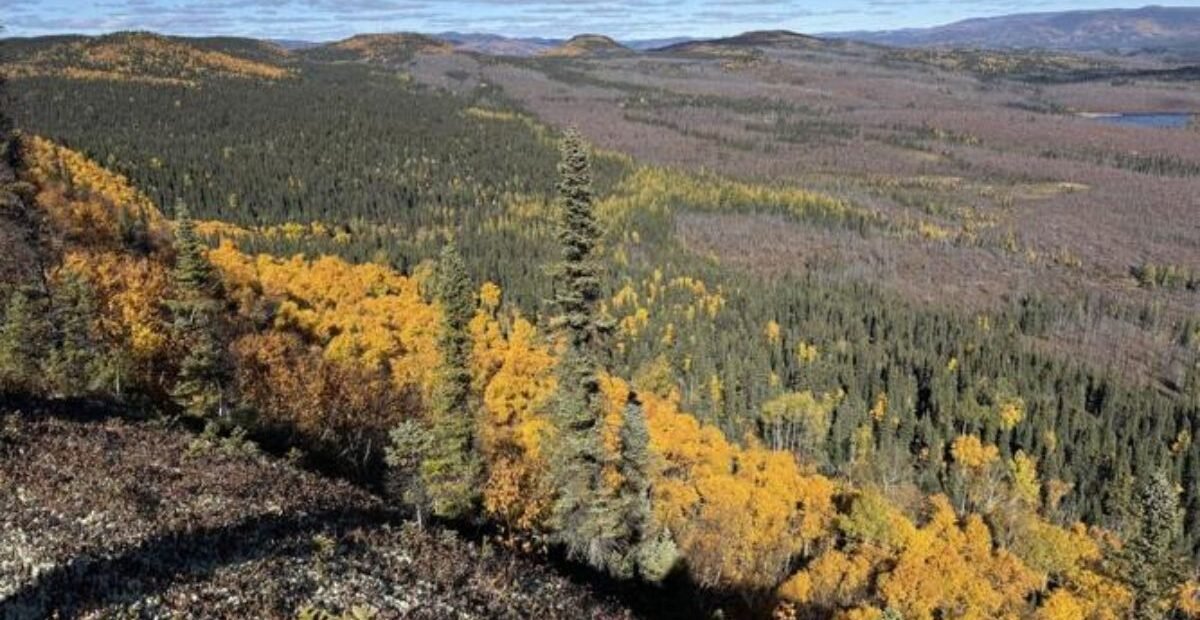
Lapointe first noticed the unusual circular pit on Google Maps while planning a road trip in late 2023. Located about 100 kilometres north of Magpie, Quebec, the formation caught his attention because of its distinctive shape.
Experts Confirm Ancient Impact Crater
After failing to find the site in existing crater databases, Lapointe contacted researchers to investigate.
Scientists eventually confirmed the formation as an ancient meteorite impact crater. Their findings will be presented at the Annual Meeting of the Meteoritical Society in Germany.
Scientific Expedition Reveals Key Evidence
A research team led by Gordon Osinski, professor of Earth Sciences at Western University, visited the remote site in 2025.
During the expedition, researchers found strong evidence of a meteorite impact, including:
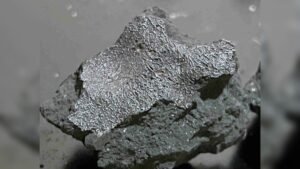
- Shatter cones, formed by intense impact pressure.
- Well-preserved impact melt rock, a key indicator of meteorite collisions.
The crater measures approximately 25 kilometres in diameter and has been dated to around 390 million years ago, making it far older than researchers initially expected.
Canada’s Newest Confirmed Impact Crater
According to Osinski, only one or two new impact craters are identified worldwide each year, and this is Canada’s first newly confirmed meteorite crater since 2010.
Following discussions with the Ekuanitshit Innu Council, the crater was officially named Uhackatik.
Discovery Fulfills a Lifelong Passion
Lapointe, who has loved astronomy since childhood, said learning that his discovery was genuine was an unforgettable moment.
He described the crater as a remarkable window into Earth’s distant past, dating back to a time long before dinosaurs, mammals or humans existed, when only primitive life forms inhabited the planet.
What began as a routine search on Google Maps has resulted in an important geological discovery. The confirmation of the Uhackatik meteorite crater highlights how curiosity, persistence and scientific collaboration can uncover remarkable chapters of Earth’s ancient history.