



Albertans Can Pay for MRIs and Other Tests Without a Doctor’s Referral Starting Friday

Beginning Friday, Albertans will be permitted to pay for selected preventative diagnostic tests without first obtaining a referral from a doctor.
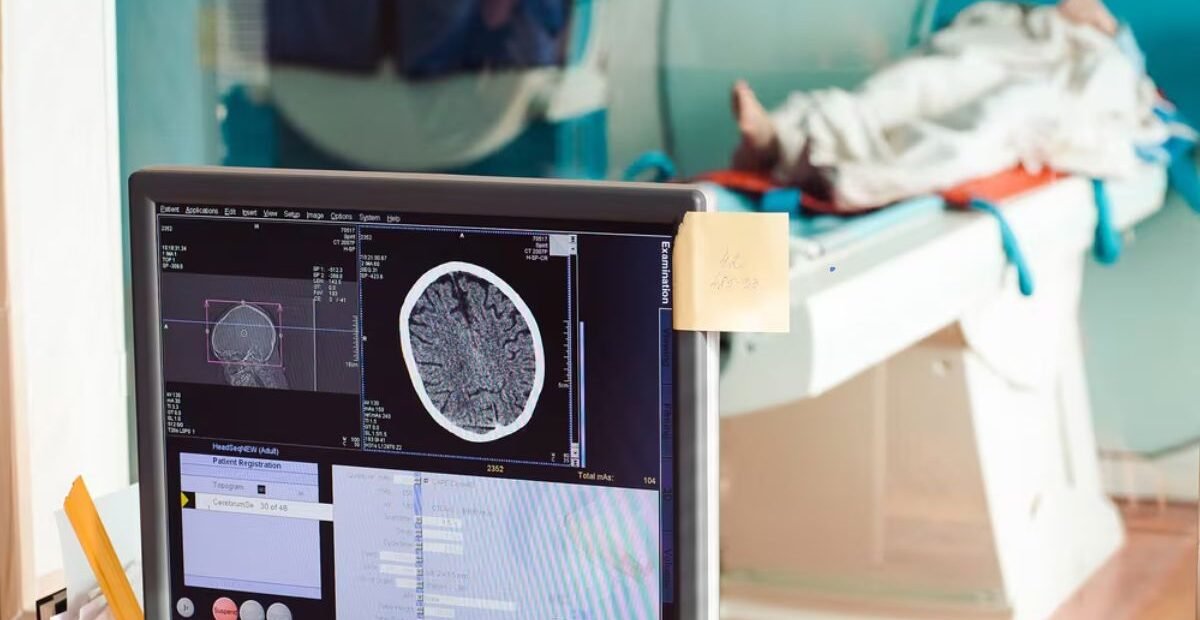
The new system, which has been under development for several months, allows residents to self-refer for MRIs, CT scans, ultrasounds and X-rays at participating private facilities. However, the policy has raised concerns among physicians, healthcare advocates and opposition politicians.
Premier Danielle Smith said the initiative is intended to improve access to early detection, provide patients with faster answers and potentially support better health outcomes.
Patients Must Pay Before Receiving Tests
Patients will be required to cover the cost of their diagnostic test before it is performed. Payment can be made personally or through private health insurance where coverage is available.
Test results will be sent directly to patients and uploaded to their electronic health records.
The paid testing option will be open to adults, as well as people under 18 who have permission from a parent or legal guardian.
Patients will be able to approach accredited private diagnostic centres participating in the programme. A regulated healthcare professional must assess whether the requested test is suitable and explain the potential risks before it proceeds.
Reimbursement Available Following Cancer Diagnosis
Patients whose privately paid test results in a new cancer diagnosis may qualify for reimbursement.
A claim must be submitted within one year of the diagnosis. Reimbursement amounts will be calculated using the rates paid for equivalent tests within Alberta’s publicly funded healthcare system.
Anyone whose results indicate possible cancer will be directed to Cancer Care Alberta for further assessment and treatment. Provincial officials noted that cancer remains Alberta’s leading cause of death.
Bill 29 Enabled the Self-Referral Programme
The new system was made possible through Bill 29, also known as the Health Statutes Amendment Act, 2026. The legislation received royal assent in May.
The Alberta government maintains that allowing paid self-referrals will support the public healthcare system rather than replace or weaken it.
Smith said residents will continue to receive publicly funded services, including routine mammograms and prostate cancer screening, through existing programmes.
Government Promises Public Tests Will Remain the Priority
Minister of Primary and Preventative Health Services Justin Wright said safeguards have been introduced to protect access to medically necessary, publicly funded diagnostic services.
Participating clinics must maintain the same level of access they provided before July 31. Any additional privately paid tests must only be performed after physician-referred, publicly funded services have been accommodated.
The province argues that these requirements will prevent private testing from reducing existing public diagnostic capacity.
Alberta NDP Warns of Two-Tier Healthcare
The Alberta NDP continues to oppose the policy.
Sharif Haji, the party’s critic for Primary and Preventative Health Services, argued that the programme will not address existing problems or reduce waiting times within the healthcare system.
He warned that the change could create a two-tier system in which people who can afford private testing receive faster access, while most Albertans continue facing delays. Haji also suggested that the policy could contribute to longer public waiting lists.
Private Diagnostic Testing Could Quadruple
Dr Robert Davies, president and chief medical officer of Canada Diagnostic Centres, said private providers will need to increase their capacity to evaluate self-referring patients.
Facilities must ensure requested scans are medically appropriate and establish pathways for patients who receive concerning results and require further care.
Davies noted that private centres already provide publicly funded mammograms to women who refer themselves.
He estimated that the programme could increase Alberta’s annual number of private diagnostic tests fourfold, reaching approximately 50,000 to 60,000 examinations each year.
However, Davies said the increase would remain relatively small compared with the roughly seven million diagnostic examinations currently performed annually across the province. He believes the additional demand should be manageable.
Alberta’s paid self-referral programme will give residents another way to access MRIs, CT scans, ultrasounds and X-rays without visiting a doctor first.
While the government says the policy will encourage early detection without harming public services, critics fear it could worsen waiting times and increase unequal access based on a patient’s ability to pay.