




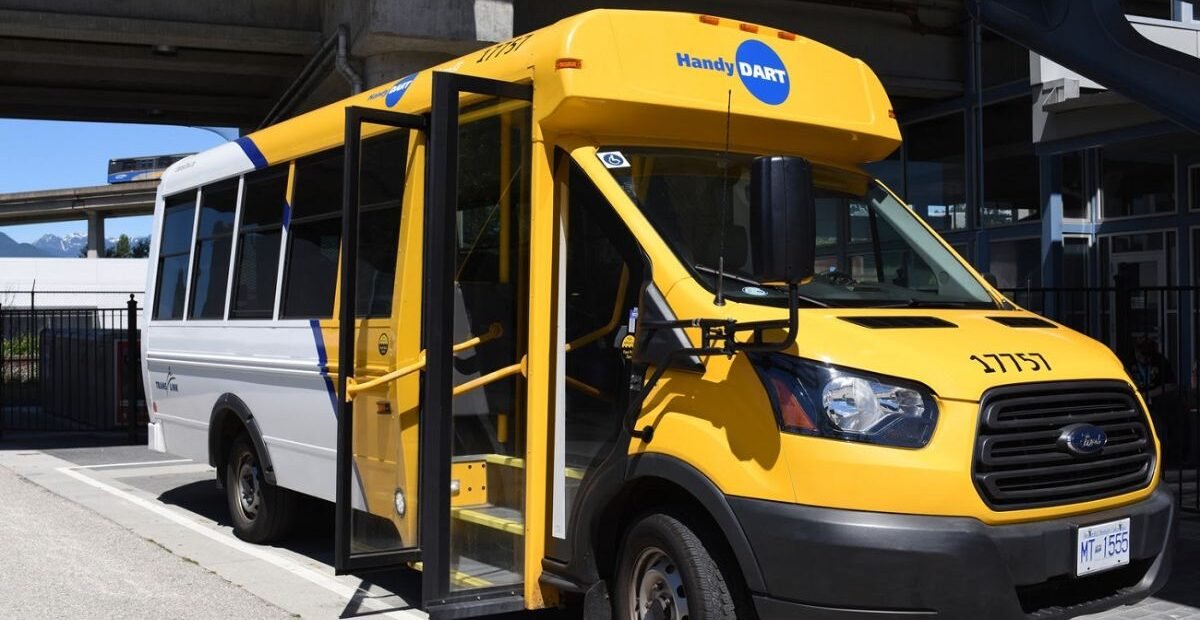
TransLink Says It Can No Longer Provide HandyDART Service to Passenger After 28 Years

A British Columbia man who relied on HandyDART for almost three decades says he has been left confined to his home after TransLink determined that its vehicles can no longer safely transport him.
Tom Cretain, 71, has spinal muscular atrophy and cannot sit upright. For approximately 28 years, he used accessible HandyDART buses and contracted wheelchair taxis to attend appointments, run errands and participate in community activities.
However, Cretain said the service suddenly stopped providing him with transportation about two months ago.
TransLink Raises Concerns About Mobility Equipment
Following the initial refusal, officials met with Cretain and measured his wheelchair. Cretain believed the assessment confirmed that his equipment could fit inside an accessible taxi.
He later received a letter stating that neither HandyDART buses nor contracted wheelchair-accessible taxis could safely and consistently accommodate his current equipment.
The decision left Cretain questioning whether he had been transported unsafely throughout the previous 28 years.
TransLink said a recent assessment requested by its contracted taxi provider identified safety concerns involving the size of Cretain’s mobility device and the assistance required to transfer him.
According to the transit authority, his equipment now exceeds what the available vehicles can safely handle. TransLink maintained that the decision did not result from a policy change.
It added that Cretain’s requirements would be reviewed when specifications are developed for future HandyDART vehicles.
Suggested Transportation Alternative May Not Be Available
TransLink recommended that Cretain consider using non-emergency hospital transfer services, describing them as the safest available transportation option.
However, hospital transfer providers said they generally do not transport people for non-medical activities, including grocery shopping, personal appointments or social outings.
Transportation to medical appointments may be available only when specific booking requirements are met.
After learning that its recommended alternative might not meet Cretain’s everyday needs, TransLink said it had contacted the provincial government to request a meeting about his situation.
Loss of Service Leaves Cretain Housebound
Cretain stressed that he is not a hospital patient and simply wants the freedom to continue living independently.
Before losing access to HandyDART, he travelled regularly, attended public events and met well-known personalities. Since the service ended, he says he has remained inside his home for two months, cancelled summer activities and missed medical appointments.
Cretain said the decision had effectively shut down his life. He argued that public transportation services designed for people with disabilities should be capable of finding a safe way to take him across the city.
Transdev Searching for Transportation Solutions
Emily Watson, senior vice-president for Western Canada at Transdev, said the company is working with TransLink to identify appropriate transportation alternatives.
Transdev operates HandyDART on TransLink’s behalf. Watson said the organisations would continue working together on longer-term solutions for passengers with specialised mobility requirements.
MLA Calls Decision Disability Discrimination
Elenore Sturko, the independent MLA for Surrey-Cloverdale, described Cretain’s treatment as a form of disability discrimination.
Sturko has contacted the Ministry of Transportation and advocated for a solution. She said it was unreasonable that authorities had been unable to accommodate Cretain despite transporting him for nearly three decades.
British Columbia Transportation Minister Mike Farnworth confirmed that his ministry was aware of the case. He said officials would contact TransLink and HandyDART to determine what issues must be addressed.
Cretain hopes authorities will quickly restore his ability to travel safely and independently. After nearly 30 years of relying on HandyDART, the sudden loss of transportation has prevented him from attending appointments, completing everyday errands and participating in public life.
His case has raised wider questions about accessibility, disability rights and whether public transportation systems are adequately equipped to support passengers with complex mobility needs.