


B.C. Woman Faces ‘Disheartening’ Five-Year Wait for Cochlear Implant—and She’s Not Alone

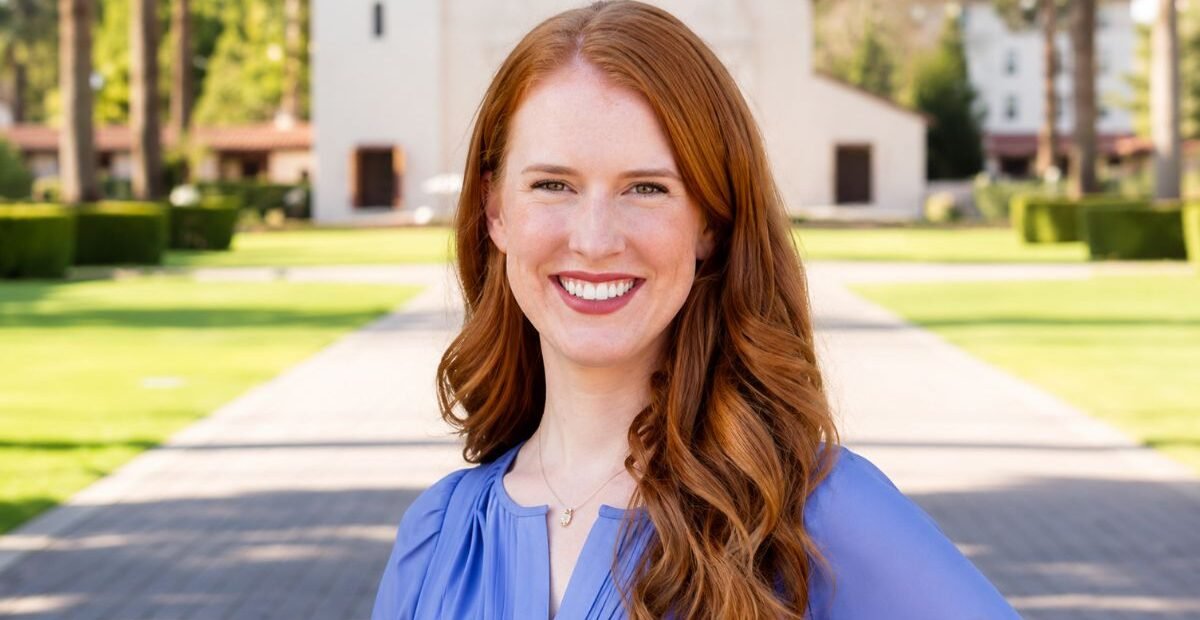
Five years ago, Shelby Barr developed a suspected viral infection that caused her to lose hearing in her right ear almost overnight.
The sudden hearing loss affected nearly every part of her life. Barr was forced to step away from her career as an intensive care unit nurse and began experiencing persistent ringing in her ears. Her limited ability to hear approaching vehicles and other potential dangers also created serious safety concerns.
Beyond the physical difficulties, Barr said the experience had a significant emotional and psychological impact. Losing access to hearing and communication so suddenly changed how she interacted with the world around her.
Cochlear Implant Assessment Brings Further Disappointment
Barr later learned that a cochlear implant could potentially restore some of her hearing. These electronic devices are generally intended for people with severe or profound sensorineural hearing loss.
She waited two years for an assessment through the Adult Cochlear Implant Program at St. Paul’s Hospital. Although specialists confirmed that she qualified for the procedure, Barr was told she had been classified as a low-priority patient.
Her estimated wait for surgery was another five years.
Barr described the news as deeply discouraging. She said Providence Health Care’s Patient Care Quality Office suggested that she could travel to the United States and privately pay for the operation.
The estimated cost was approximately C$100,000, and private insurance would not cover the procedure outside Canada.
B.C. Receives Failing Grade for Implant Access
Barr’s experience reflects a wider problem affecting cochlear implant patients across British Columbia.
A Canadian Hard of Hearing Association report gave B.C. an “F” grade for recording the longest cochlear implant wait times in Canada.
The report stated that receiving an implant within six months is essential because untreated hearing loss can have profound and lasting consequences.
Dr. Paul Mick, a neurotologist and cochlear implant surgeon at St. Paul’s Hospital, said delays can affect far more than a patient’s ability to communicate.
Hearing loss may also influence physical, mental, cognitive and emotional health. Research has associated untreated hearing loss with faster cognitive decline among older adults, as well as increased risks of dementia, depression, falls and injuries.
Mick said B.C.’s waiting periods are several years longer than those in other provinces. He warned that extended delays could cause patients to miss the most effective treatment window.
Political Criticism Over Five-Year Surgery Wait
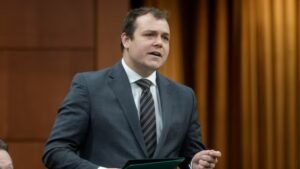
B.C. Conservative rural and seniors health critic Brennan Day described Barr’s additional five-year wait as unacceptable.
Day argued that cochlear implant procedures do not appear to be receiving sufficient government attention, despite being relatively straightforward surgeries that can dramatically improve a patient’s quality of life.
He also warned that waiting lists could become even longer as B.C.’s senior population is expected to increase by 25 per cent over the next decade.
Providence Health Care declined to provide a direct response and referred questions to the Ministry of Health.
Province Points to Rising Demand
The Ministry of Health said demand for cochlear implants has increased because of B.C.’s ageing population, improved medical technology and broader eligibility requirements.
Although the provincial government funds the program, the ministry said individual health authorities are responsible for managing operations and delivering services.
According to the ministry, 116 adult cochlear implant procedures were completed in B.C. during the 2025–26 fiscal year.
It added that the annual number of adult surgeries has almost doubled since 2021–22 and continues to increase.
Surgeon Says Current Funding Remains Insufficient
Mick said the number of procedures being performed still falls well below what is needed.
He compared B.C.’s 116 surgeries with Ontario’s Sunnybrook Health Sciences Centre, which alone completes approximately 263 cochlear implant procedures each year.
St. Paul’s official budget reportedly provides funding for only 70 surgeries annually. Additional approval was required to increase the number to 116.
Mick said nearly 70 cases had already been scheduled within the first four months of the current fiscal year, demonstrating the continuing pressure on the program.
Patients Fear Long-Term Health Consequences
Barr said patients waiting for surgery are being left without meaningful support or treatment options.
Her concern is not limited to the hearing difficulties she experiences today. She also worries that the extended delay could reduce the effectiveness of future treatment and increase her long-term risk of dementia and cognitive decline.
Shelby Barr’s case highlights the serious consequences of B.C.’s lengthy cochlear implant wait times. Although the province has increased the number of surgeries, medical professionals and patients say current capacity remains inadequate.
Without additional funding, operating resources and faster access to treatment, more patients could face years of communication difficulties, safety risks and preventable health complications.