


Winter Weather Warning Issued as Up to Six Inches of Snow and 11-Degree Wind Chills Strike in July

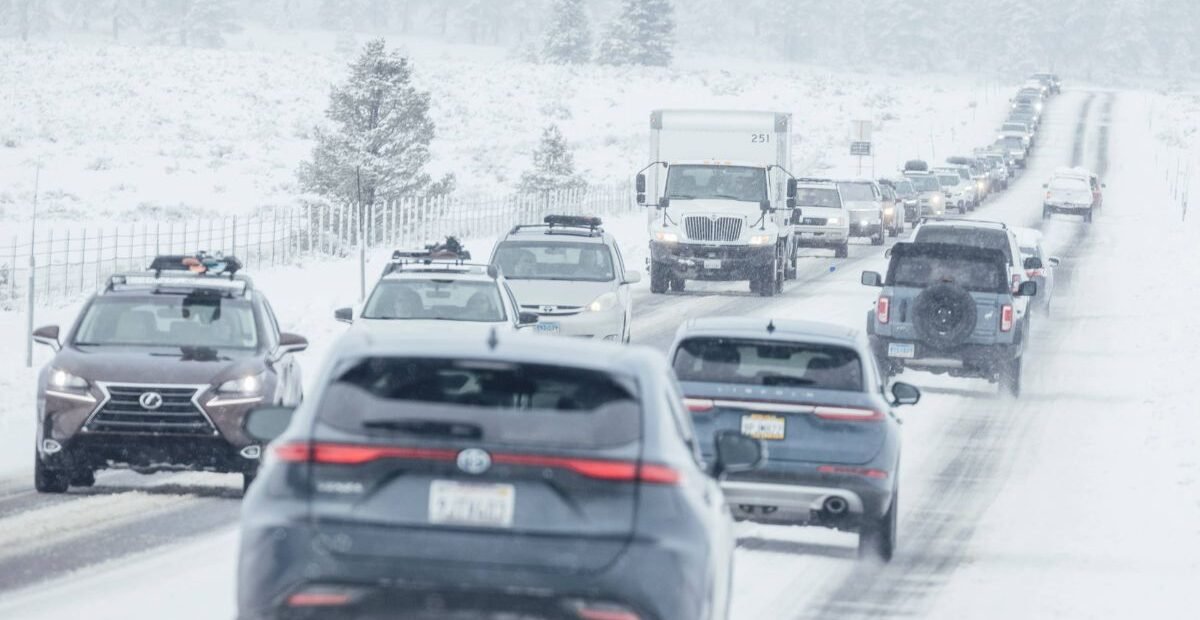
During the final week of July, a section of highway in Alaska was placed under a Winter Weather Advisory after snow and freezing conditions developed across the Central Brooks Range.
Although snowfall can occur in mountainous areas during any month, this event was particularly concerning because it affected a working highway regularly used by commercial truck drivers and tourists. Many motorists travelling in summer are unlikely to be equipped for snow-covered or icy roads.
Up to Six Inches of Snow Forecast at Higher Elevations
The National Weather Service office in Fairbanks issued a Winter Weather Advisory for the Central Brooks Range from Sunday through Monday, July 27.
The advisory covered Atigun Pass, Anaktuvuk Pass, Galbraith Lake and the Dalton Highway between mileposts 232 and 322.
Forecasters expected around two inches of snow across much of the region, with accumulations reaching as much as six inches at higher elevations. A light layer of ice was also possible.
The precipitation initially fell as rain before briefly becoming a wintry mix and eventually changing to snow. Freezing drizzle remained possible during the night, increasing the risk of slippery road surfaces.
Cold and Windy Conditions Continued Monday
Isolated snow showers were expected to continue through Monday morning. Temperatures were forecast to reach only the upper 30s to lower 40s, while northerly winds of 15 to 20 mph could create additional visibility and driving problems.
Strong winds may also blow loose snow across exposed sections of the highway, particularly near steep climbs and mountain passes.
Why Atigun Pass Presents a Serious Challenge
Atigun Pass reaches an elevation of 4,739 feet, making it the highest mountain pass in Alaska that is maintained throughout the year.
It is also the only road route across the Brooks Range. Drivers approaching the pass have no alternative road available, meaning they must either continue over the pass or stop and wait for conditions to improve.
Six inches of snow would be considered routine during February. However, the same amount can create greater difficulties in July because most vehicles are prepared only for summer travel.
Motorists may be using summer tyres and may not be carrying chains, shovels, warm clothing or other winter emergency supplies.
Melting Snow Can Quickly Turn Into Ice
Warm road surfaces may initially melt falling snow. However, when temperatures drop overnight, the melted water can freeze again and create a dangerous layer of ice.
This combination of snow, freezing drizzle and strong northerly winds can make steep and exposed sections of Atigun Pass especially hazardous.
Safety Advice for Drivers
Drivers should reduce their speed before reaching steep sections of the highway and leave significantly more distance between vehicles.
Braking should be completed carefully while travelling in a straight line to reduce the risk of losing control. Motorists should also check Alaska 511 for current road and weather conditions before attempting to cross the pass.
Winter driving techniques remain important throughout the year in Alaska, particularly when travelling through high-altitude areas where conditions can change rapidly.
The late-July snowfall across the Central Brooks Range serves as a reminder that winter conditions can develop at any time on Alaska’s mountain roads. Drivers using the Dalton Highway should remain prepared for snow, ice, strong winds and sudden temperature changes, even during the middle of summer.